

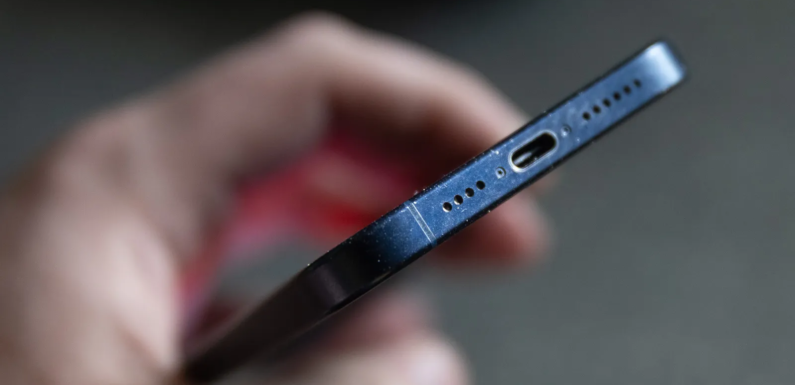
Water exposure is one of the most common accidents involving smartphones. A quick drop in the sink, rain during outdoor use, or a splash near the pool can be enough to cause muffled audio, distorted sound, or complete speaker failure. While many users immediately think of rice or costly repairs, a technology-driven solution has gained popularity in recent years: water eject.
What Is Water Eject?
Water eject is a method that uses low-frequency sound waves to push water out of a smartphone’s speaker grills. When a phone gets wet, tiny droplets can remain trapped inside the speaker cavity. These droplets interfere with sound vibrations, causing audio to sound weak or crackly. By playing a specific frequency—usually between 140 Hz and 170 Hz—the speaker vibrates in a way that forces water outward.
This concept is not experimental. It is based on basic physics: air displacement and vibration. The same principle is used in industrial cleaning systems and even in some medical devices.
How Water Eject Works in Practice
When a water eject sound is played at high volume, the speaker cone moves back and forth rapidly. This movement creates air pressure changes that physically expel water droplets from the speaker chamber. In many cases, users can actually see small droplets coming out of the speaker grill while the sound is playing.
The process usually takes 30 seconds to 2 minutes, depending on how much water is trapped. For best results, the phone should be held with the speaker facing downward, allowing gravity to assist the process.
Built-In Features vs Online Tools
Some smartphones include native water eject features. Certain smartwatches and devices designed for water resistance already rely on this technology internally. However, most smartphones—especially older models—do not offer a built-in option.
This gap led to the rise of web-based water eject tools, which allow users to activate the correct sound frequency directly from their browser. These tools are platform-independent, meaning they work on both iOS and Android without installing apps.
What Water Eject Can and Cannot Do
It is important to understand the limits of water eject:
What it can do
- Remove trapped water from speaker grills
- Restore muffled or low sound after water exposure
- Reduce long-term moisture buildup
What it cannot do
- Fix internal corrosion
- Repair damaged hardware
- Remove water from sealed internal components
Water eject is most effective immediately after exposure. The longer moisture remains inside a device, the higher the risk of oxidation and permanent damage.
Best Practices After Water Exposure
For maximum effectiveness, water eject should be part of a broader response:
- Remove the phone from water immediately
- Power it off if possible
- Dry the exterior with a soft cloth
- Use a water eject sound with the speaker facing down
- Avoid charging until the device is fully dry
Contrary to popular belief, placing a phone in rice is slow and unreliable. Sound-based water removal is faster and far more targeted.
The Growing Relevance of Water Eject Technology
As smartphones become more water-resistant, users are more confident using them near water—but resistance does not mean immunity. Water eject has become a practical, low-cost solution that bridges the gap between accidental exposure and professional repair.
In a world where smartphones are essential tools for work, communication, and entertainment, simple technologies like water eject demonstrate how smart use of physics and software can solve everyday problems quickly and effectively.
